Table Of Content

The most common active chemicals used in hair dye include ammonia, peroxide and paraphenylenediamine (PPD). Ammonia raises the pH level of the hair so color change can occur, peroxide takes away the natural color in hair produced by melanin and PPD applies the pigment. Almost all hair dyes—even boxes labeled as “natural”—contain these chemicals. When you’re pregnant, it’s common to second guess the safety of many of your usual activities.
Can you bleach your hair while pregnant?
Substances like alcohol and certain prescription drugs can end up in your breast milk. Tell your doctor about any medications you take if you’re planning on breastfeeding your baby. Even smells you may have tolerated before could now send you running away gagging. Most hair dyes are a bit pungent, which might not mesh well with your newly delicate nose.
Can You Highlight or Balayage Your Hair During Pregnancy?
Of course, there's no harm in putting off your color treatments until after you've given birth. "If you really, really want to have an abundance of caution, then my recommendation for my pregnant patients is always just to wait," says Dr. Hack. "In the event that something happens, you don't want to end up in a situation where you're blaming yourself, even if it was something that's out of your control." Although it’s important to do your research, it is always most important to get the opinions of your OB-GYN, midwife, gynecologist or trusted healthcare provider. They are the experts who will know the details of your personal healthcare situation the best, so you should defer to their opinions and recommendations.
Will using hair dye increase the chance of pregnancy loss?

It offers current information and opinions related to women's health. It does not explain all of the proper treatments or methods of care. Getting hair dye in your eyes can cause injuries and blindness, so it's best to avoid dyeing your eyebrows. Your skin can absorb the chemicals, which can circulate through your bloodstream and reach your baby. For a safer alternative, try techniques where color is painted directly on to the hair shaft — highlights, lowlights, frosting and streaking, for example. Pulling hair through a cap and then applying color is a less common method but equally as safe, since the cap covers the scalp.

The experts I’ve spoken to agree that mums-to-be shouldn’t colour their hair during their first 12 weeks of pregnancy (the risk of chemical substances harming the baby becomes lower after this). However, a skin test is essential before having your colour done, even if you’ve had one done before. “Pregnancy changes your sensitivity, potentially making you more susceptible to allergic reactions,” organic hair colour expert Karine Jackson explains. Top hairdresser Paul Edmonds also notes that hormone changes that occur during pregnancy, can affect the porosity of hair and its strength, so extra care should be taken to protect its integrity.
Plus, only a small amount of these chemicals are actually absorbed into the scalp. Thankfully, there is a range of safe coloring options that pregnant women can consider after consulting with their doctor based on their comfort level, from permanent color to shampoo-to-shampoo root touch-ups. There are different ways to color your hair, but certain methods minimize contact between dye and your scalp. If you use an all-over color or touch up your roots, this is called a single-process coloring treatment.
He also advises holding off on coloring your hair during the first trimester if you’re unsure, as you’d want to steer clear of any harsh chemicals. The American Pregnancy Association agrees, stating that it’s best to wait until your second trimester to chemically treat your hair in any way. And because “bleach is one of the more aggressive hair color [products],” Colombini suggests you may want to consider skipping it until your little bundle arrives. There is no evidence to suggest that any hair treatment, including hair dye, is harmful during pregnancy.
We Clear the Air on Pregnant Women Who Dye Their Hair - Allure
We Clear the Air on Pregnant Women Who Dye Their Hair.
Posted: Fri, 13 Apr 2012 07:00:00 GMT [source]
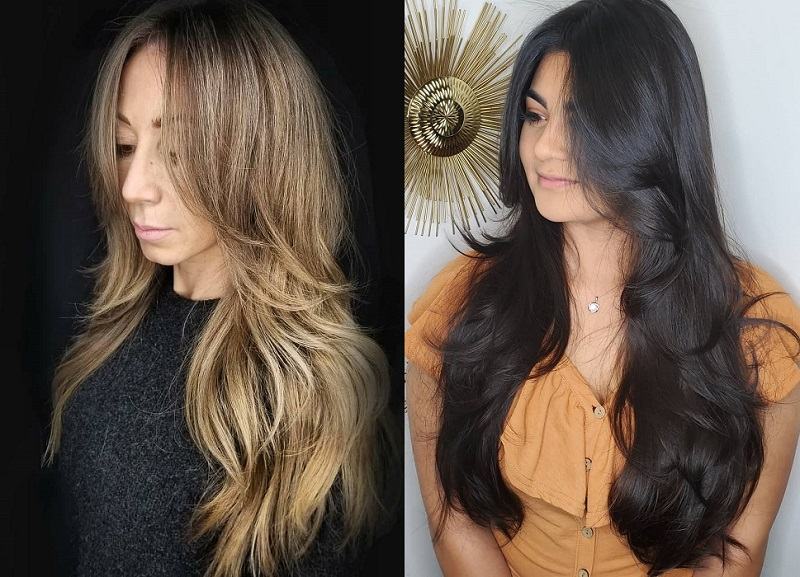
Still, while it’s generally considered safe to dye your hair during pregnancy, Reavey recommends avoiding it until the second trimester. “The first 13 weeks of pregnancy are critical for baby’s growth, so I’d err on the side of caution and avoid using hair dyes during this time,” she explains. Or, if you’re looking for a new hairstyle, but hesitant about completely dyeing your hair during pregnancy, Reavey recommends opting for highlights. “This will change the color and dynamic of your hair, without directly putting color on the scalp,” she says. Ross agrees, noting that treatments like highlights, streaking and frosting have little contact with the scalp and can be safer alternatives during all trimesters of pregnancy.
When you're pregnant, you want to minimize your exposure to any toxic ingredients. Many experts believe the chemicals in semipermanent and permanent dyes are not highly toxic and are safe during pregnancy. If a person has any questions or worries about hair treatments during pregnancy, they should speak with a healthcare professional. There is no evidence to suggest that bleaching the hair could be harmful during pregnancy. Mother To Baby states that no hair treatments are currently known to be dangerous to a fetus.
While many women report that their hair is shinier, thicker, and grows faster (due to the extra folic acid they’re taking), other women experience the opposite. If you aren’t getting the proper prenatal vitamins and minerals you need, your hair can become dry, brittle, and more prone to breakage. Adding hair dye or other chemical treatments to unhealthy hair can damage it. Read on to learn more about the safety of using hair dye while pregnant, hair dye alternatives, and the safety of other hair treatments during pregnancy.
However, when it comes to hair dye, only a small amount of chemicals get absorbed through the scalp. This means that the risk of those chemicals entering your bloodstream and reaching your baby is minimal. For this reason, the American College of Obstetricians and Gynecologists states that hair coloring during pregnancy is not toxic. If you're in a high-risk pregnancy or feel uneasy about interacting with chemicals during pregnancy, consider plant-based dyes as an alternative. Consult a healthcare provider on the safest plan for you and your baby. With a little research, you may discover a number of options for a new color or style.
11 Pregnancy-Safe Hair Dye Brands You Can Use At Home - Romper
11 Pregnancy-Safe Hair Dye Brands You Can Use At Home.
Posted: Thu, 29 Jun 2017 07:00:00 GMT [source]
You can also try a color-depositing conditioner, like those from brands such as oVertone, which dilutes color in a thick conditioner form, or opt for a demi-permanent formula without ammonia. Of course, you can also skip services altogether and treat yourself to a much-deserved refresh after baby is born. You could try a safer alternative such as a semi-permanent pure vegetable dye, like henna. Talk to your healthcare provider and, if possible, meet with an industrial hygienist or occupational medicine physician to talk about safe work practices. According to experts, a small amount (if any) of the chemicals from the dye would make it into the bloodstream.
“They develop in foils which protects the scalp,” she explains, to keep the risk of irritation to a minimum. Every piece of content at Flo Health adheres to the highest editorial standards for language, style, and medical accuracy. To learn what we do to deliver the best health and lifestyle insights to you, check out our content review principles. Hair dye can lead to more irritation and breaking of the skin, ultimately making the skin condition worse. The NHS advises performing a strand test before applying the dye to the rest of the hair. Helen Reavey is the founder and creative director of hair wellness brand Act + Acre.
Additionally, a person should follow certain precautions to limit their exposure to hair dye chemicals. Permanent dyes may contain stronger chemicals than semipermanent or temporary dyes. However, there is no evidence to suggest that the permanency of a hair dye makes it more harmful to a fetus. If you’d rather play it safe, there are some things you can do to make your current color last as long as possible.
The data, published in 2022, suggests a relationship, but much more research needs to happen to define that relationship. In other words, scientists can’t say, based on the available information, that using hair straightening products actually increases your cancer risk. If it does, though, that suggests that the chemicals being applied to the scalp when straightening hair can cause hormonal changes. Just like we don’t have a lot of research on how hair dye impacts fetal development, we have very little real data about the impact (if any) hair dye has on breast milk.